Dr World Book

Dr World Book

Dr World Book

तय तारीख पर रिलीज नहीं होगी ‘कन्नप्पा’, विष्णु मांचू ने किया फिल्म में देरी की वजह का खुलासा

Kannappa Release Postponed: विष्णु मांचू की फिल्म ‘कन्नप्पा’ की रिलीज की तारीख आगे बढ़ गई है। फिल्म के एक्टर ने कहा है कि फिल्म की नई रिलीज की तारीख का जल्द ही एलान होगा। आइए जानते हैं इस फिल्म की रिलीज को आगे क्यों बढ़ाया गया है?


विष्णु मांचू की फिल्म ‘कन्नप्पा’ की नई रिलीज डेट का एलान होने वाला है। पहले ये फिल्म 25 अप्रैल को रिलीज होने वाली थी। फिल्म की टीम फिल्म में जरूरी सुधार कर रही है, ताकि इसे और बेहतर बनाया जा सके। फिल्म के वीएफएक्स को भी अपग्रेट किया जा रहा है। फिल्म में विष्णू मांचू लीड रोल में हैं और वह इस फिल्म के सहलेखक भी हैं। उन्होंने कहा है कि फिल्म में जरूरी सुधार होने के बाद इसके सिनेमा का अनुभव बहुत अच्छा होगा।

फिल्म पर विष्णु मांचू का बयान
विष्णु मांचू ने अपने अधिकारिक बयान में कहा है “कन्नप्पा शिव के सबसे बड़े भक्त को श्रद्धांजलि है। फिल्म की टीम इस चीज के लिए मेहनत कर रही है कि फिल्म उच्चतम तकनीकी और कहानी कहने के मानकों पर खरी उतरे। फिल्म को रिलीज करने की नई तारीख का जल्द ही ऐलान होगा।”
फिल्म की हुई थी आलोचना
हाल ही में ‘कन्नप्पा’ फिल्म को सोशल मीडिया पर ट्रोलर्स का सामना करना पड़ा था। फिल्म के प्रमोशनल इवेंट के दौरान, कास्ट मेंबर रघु बाबू ने ट्रोल्स को फिल्म की आलोचना करने पर चेतावनी दी थी। उन्होंने कहा था “अगर कोई कन्नप्पा फिल्म को ट्रोल करता है, तो उसे भगवान शिव के क्रोध और श्राप का सामना करना पड़ेगा…” यह बयान इंटरनेट यूजर्स को पसंद नहीं आया। इस पर एक यूजर ने कहा “डर और धर्म देश में हमेशा काम आता है।” एक दूसरे यूजर ने कहा “मैं एक शिव भक्त के तौर पर कह रहा हूं कि उनके पास इतना समय नहीं है।”
क्या है फिल्म की कहानी?
‘कन्नप्पा’ के निर्देशक मुकेश कुमार सिंह हैं। मोहन बाबू इस फिल्म के निर्माता हैं। यह फिल्म भगवान शिव के भक्त कन्नप्पा की कथा
पर आधारित है। कन्नप्पा में मुख्य भूमिका में विष्णु मांचू हैं, उनके साथ मोहन बाबू हैं। फिल्म में मोहनलाल, प्रभास, अक्षय कुमार और काजल अग्रवाल की विशेष कैमियो भूमिकाएं भी हैं। फिल्म की शूटिंग न्यूजीलैंड, हैदराबाद और अन्य स्थानों पर की गई है।


फिल्म को औपचारिक रूप से 18 अगस्त 2023 को लॉन्च किया गया था। मुख्य फोटोग्राफी 25 सितंबर 2023 को न्यूजीलैंड में शुरू हुई । स्टीफन देवसी ने मूल स्कोर और गीतों की रचना की। फिल्म में पैन-इंडियन सितारे मोहनलाल, प्रभास और अक्षय कुमार हैं, जिन्होंने अपनी कैमियो भूमिकाओं के लिए कोई पारिश्रमिक नहीं लिया है, जिसका उल्लेख अभिनेता विष्णु मांचू ने एक साक्षात्कार में किया था।

भगवान शिव के भक्त कन्नप्पा की पौराणिक कहानी पर आधारित इस फिल्म को बनने में लगभग एक दशक का समय लगा। दिसंबर 2013 में, अभिनेता, पटकथा लेखक और निर्देशक तनिकेला भरानी ने मीडिया को बताया कि वह 14 वीं शताब्दी में स्थापित एक पीरियड ड्रामा फिल्म के प्री-प्रोडक्शन पर काम कर रहे थे, जिसका शीर्षक भक्त कन्नप्पा था । उन्होंने कन्नप्पा की भूमिका में सुनील को लिया था। [ 5 ] जून 2015 में, अभिनेता-निर्माता विष्णु मांचू ने घोषणा की कि उनकी प्रोडक्शन कंपनी, 24 फ्रेम्स फैक्ट्री , एक अमेरिकी कंपनी के साथ मिलकर कन्नप्पा कथा नामक एक फिल्म का निर्माण करेगी , जिसका निर्देशन भरणी करेंगे। [ 6 ] रिपोर्टों से संकेत मिलता है कि भरणी ने एक निर्माता को मनाने के लिए कई वर्षों तक इंतजार करने के बाद भक्त कन्नप्पा के लिए अपनी मूल को  बेच दी

अप्रैल 2019 में विष्णु मांचू न्यूजीलैंड में लोकेशन स्काउटिंग के लिए गए थे। [ 27 ] शुरुआत में, चालक दल ने आयरलैंड, स्कॉटलैंड , मिनेसोटा , ऑस्ट्रेलिया , स्विट्जरलैंड और कनाडा में दूसरी शताब्दी के विश्व निर्माण की खोज की , जिसमें अप्रदूषित आकाश और सुंदर जंगल थे। प्रमुख फोटोग्राफी 25 सितंबर 2023 को न्यूजीलैंड में शुरू हुई। [ 28 ] अक्टूबर के अंत में विष्णु को एक लड़ाई के दृश्य के दौरान चोट लगने के बाद फिल्मांकन अस्थायी रूप से रोक दिया गया था, जहां एक ड्रोन के ब्लेड ने उनकी बांह को संपर्क किया था। [ 29 ] न्यूजीलैंड में, फिल्म को ऑकलैंड , रोटोरुआ , ग्लेनॉर्ची , वानाका , पुकाकी और क्राइस्टचर्च में विभिन्न स्थानों पर शूट किया गया था। कथित तौर पर , फिल्म का लगभग 80 प्रतिशत हिस्सा न्यूजीलैंड में शूट किया जाएगा ।

म्यांमार में भूकंप से हुई भीषण तबाही

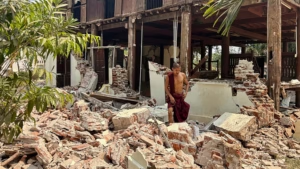
म्यांमार में भूकंप के हुई भीषण तबाही में अब तक 1644 लोगों की मौत हो चुकी है। अब भी मृतकों की संख्या बढ़ने की आशंका है। भूकंप से पहले गृहयुद्ध से जूझ रहे म्यांमार को बड़े पैमाने पर मानवीय सहायता की मदद है।

म्यांमार में आए विनाशकारी भूकंप में लगातार मृतकों का आंकड़ा बढ़ता जा रहा है। ताजा जानकारी के अनुसार, दक्षिण-पूर्व एशियाई देश में आए भूकंप के बाद मृतकों का आंकड़ा बढ़कर 1644 तक पहुंच गया है। वहीं 2000 से अधिक घायल बताए जा रहे हैं। इसके साथ ही म्यांमार में रेस्क्यू ऑपरेशन बड़े पैमाने पर जारी है। बता दें कि, 28 फरवरी को म्यांमार लगातार छह भूकंप के झटकों से थर्रा गया था और ये सिलसिला आज भी बरकरार रहा है। कल से लेकर आज तक म्यांमार में कुल 16 बार भूकंप के झटके लगे हैं।

म्यांमार में उच्च स्तर पर भूकंप का खतरा
यूरेशियन और इंडो-ऑस्ट्रेलियाई प्लेटों के बीच टकराव के कारण, म्यांमार में भूकंपीय खतरा उच्च स्तर पर है। अंतर्राष्ट्रीय भूकंपीय केंद्र की तरफ से बताए गए भूकंप मापदंडों के अनुसार, 1990 से 2019 तक हर साल म्यांमार और उसके आसपास के इलाकों में 3.0 से अधिक या उसके बराबर परिमाण वाली लगभग 140 घटनाएं हुई हैं। जिससे प्रमाणित होता है कि, म्यांमार मध्यम और बड़ी तीव्रता वाले भूकंपों के खतरों के प्रति संवेदनशील है, जिसमें इसकी लंबी तटरेखा के साथ सुनामी के खतरे भी शामिल हैं। सागाइंग फॉल्ट सागाइंग, मांडले, बागो और यांगून के लिए भूकंपीय खतरे को बढ़ाता है, जो म्यांमार की आबादी का 46 प्रतिशत हिस्सा है।
संकट के समय म्यांमार के साथ भारत खड़ा
भारत संकट के समय म्यांमार के साथ खड़ा है। ‘ऑपरेशन ब्रह्मा’ के तहत भारत ने भूकंप प्रभावित क्षेत्रों में राहत और बचाव कार्यों के लिए 15 टन सामग्री, 80 सदस्यीय एनडीआरएफ की टीम और एक फील्ड अस्पताल को मदद के लिए भेजा है। वहीं प्रधानमंत्री नरेंद्र मोदी ने म्यांमार के जनरल से भी बातचीत की है। पीएम मोदी सोशल मीडिया एक्स पर इसकी जानकारी देते हुए लिखा, म्यांमार के वरिष्ठ जनरल महामहिम मिन आंग ह्लाइंग से बात की। विनाशकारी भूकंप में हुई मौतों पर अपनी गहरी संवेदना व्यक्त की। एक करीबी दोस्त और पड़ोसी के रूप में भारत इस कठिन समय में म्यांमार के लोगों के साथ एकजुटता से खड़ा है। ऑपरेशन ब्रह्मा के तहत आपदा राहत सामग्री, मानवीय सहायता, खोज और बचाव दल को प्रभावित क्षेत्रों में तेजी से भेजा जा रहा है।
भूकंप के कारण म्यांमार में चौतरफा संकट
म्यांमार भूकंप से पहले गृहयुद्ध, मानवीय संकट, भुखमरी और स्वास्थ्य सुविधाओं में कमी से जूझ रहा था। म्यांमार को बड़े पैमाने पर मानवीय सहायता के साथ-साथ दवाओं और खाद्य सामग्री की जरूरत थी। वहीं भूकंप के बाद म्यांमार में स्थिति बद से बदतर हो गई है। वहीं देश में संचार व्यवस्था और आवाजाही पर सख्त नियंत्रण होने के कारण राहत और बचाव कार्य में कठिनाइयां भी आ रही हैं।

भूकंप की मार झेल रहे म्यांमार की मदद के लिए भारत ने ऑपरेशन ब्रह्मा शुरू किया है। विदेश मंत्रालय ने बताया कि इस ऑपरेशन के तहत उत्तर प्रदेश (UP) के आगरा से 118 सदस्यों वाला फील्ड अस्पताल म्यांमार जाएगा। विदेश मंत्रालय ने बताया कि भारतीय नौसेना के दो जहाज म्यांमार भेज दिए गए हैं। इसके अलावा आपदा राहत सामग्री के साथ दो और जहाज भेजे जाएंगे।

भारत ने भूकंप प्रभावित म्यांमार की मदद के लिए ऑपरेशन ब्रह्मा शुरू किया है। ऑपरेशन ब्रह्मा पर विदेश मंत्रालय ने बताया कि म्यांमार में भारत के राजदूत राहत और बचाव कार्यों का बेहतर समन्वय करने के लिए फिलहाल नेपीता में हैं। सरकार के मुताबिक भारतीय समुदाय के किसी सदस्य के हताहत होने की अभी तक कोई खबर नहीं मिली है। बता दें कि म्यांमार में भूकंप के कारण अब तक एक हजार से अधिक लोगों की मौत हो चुकी है। ऑपरेशन ब्रह्मा की शुरुआत के मकसद पर विदेश मंत्रालय के प्रवक्ता रणधीर जायसवाल ने बताया कि संकट के समय सबसे पहले मदद करना भारत की विदेश नीति का हिस्सा है।

रामायण के सुविचार

नाथ दैव कर कवन भरोसा। सोषिअ सिंधु करिअ मन रोसा॥
कादर मन कहुँ एक अधारा। दैव दैव आलसी पुकारा।।

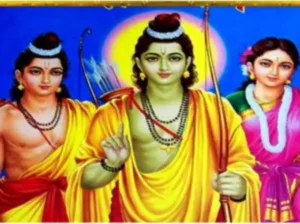
रामचरित मानस में यह चौपाई उस समय को बताती है, जब भगवान राम सागर पार करने के लिए सागर से रास्ता मांगने के लिए ध्यान करने जा रहे थे। लक्ष्मणजी ने तब भगवान रामजी को उनकी शक्ति और क्षमता को याद दिलाते हुए कहा था कि आप स्वयं इतने शक्तिशाली हैं कि एक बाण में समुद्र को सुखा सकते हैं, फिर सागर से अनुनय-विनय क्यों? भगवान राम यह सब जानते थे लेकिन फिर भी इन्होंने शक्ति से पहले शांति से परिस्थितियों को हल करने का प्रयास किया और बताया कि शक्तिशाली को संयमी होना भी जरूरी है। आप अपने भरोसे पर काम कीजिए ईश्वर स्वयं आपकी सहायता करेंगे।


बोले बिहसि महेस तब ग्यानी मूढ़ न कोइ।
जेहि जस रघुपति करहिं जब सो तस तेहि छन होइ।

रामचरित मानस के बालकांड में भगवान विष्णु के रामावतार का कारण और भगवान की लीला का उद्देश्य समझाते हुए यहां भगवान शिव कहते हैं- कोई भी इस भ्रम में न रहे कि वह सर्वज्ञानी है या कोई हमेशा मूर्ख ही रहेगा। भगवान की जब जैसी इच्छा होती है, तब वह प्रत्येक प्राणी को वैसा बना देते हैं। इसलिए कभी किसी चीज का अहंकार नहीं करना चाहिए, जो अहंकार करते हैं। वह समाज में कभी आगे नहीं बढ़ पाते।

काम, क्रोध, मद, लोभ, सब, नाथ नरक के पंथ।
सब परिहरि रघुबीरहि, भजहुँ भजहिं जेहि संत।

विभीषणजी रावण को पाप के रास्ते पर आगे बढने से रोकने के लिए समझाते हैं कि काम, क्रोध, अहंकार, लोभ आदि नरक के रास्ते पर ले जाने वाले हैं। काम के वश होकर आपने जो देवी सीता का हरण किया है और आपको जो बल का अहंकार हो रहा है, वह आपके विनाश का रास्ता है। जिस प्रकार साधु लोग सब कुछ त्यागकर भगवान का नाम जपते हैं आप भी राम के हो जाएं। मनुष्य को भी इस लोक में और परलोक में सुख, शांति और उन्नति के लिए इन पाप की ओर ले जाने वाले तत्वों से बचना चाहिए।

जे न मित्र दुख होहिं दुखारी। तिन्हहि बिलोकत पातक भारी॥
निज दुख गिरि सम रज करि जाना। मित्रक दुख रज मेरु समाना॥

रामचरित मानस में भगवान राम और सुग्रीव की मित्रता के संदर्भ में यह चौपाई मनुष्य को ज्ञान देती है कि मित्रता निभाने वाले की भगवान भी सहायता करते हैं। जो लोग मित्र या फिर दूसरों के दुख को देखकर दुखी नहीं होते, उन लोगों की मदद नहीं करते हैं। ऐसे लोगों को देखने से भी पाप लग जाता है। जो लोग अपने दुख को भूलकर दूसरों की सहायता करते हैं, ईश्वर स्वयं उसकी मदद करते है।

Today’s Gold Rate in India, March 18, 2025: Gold prices up in Ahmedabad, Kolkata, Bengaluru, Mumbai, Delhi and Chennai

Gold prices in India saw a slight increase today, with rates increasing by ₹40 per gram across most cities. The price for 8 grams of 24-carat gold also increased by ₹336 compared to yesterday.

Lawmakers clash with constituents following more angry town halls

(CNN )

Shouts of “January 6” and “tax the rich” flooded a town hall in Laramie, Wyoming, on Wednesday, where GOP Rep. Harriet Hageman faced a hostile crowd as she attempted to drown out the noise and answer questions – the latest such Washington lawmaker to be grilled in their home states.

Hageman said she liked the opportunity to do town halls “because it lets me come here, give you an update on what I’m doing back in Washington, DC,” prompting a swift response of “nothing” from one man.

“If you have so little respect for our process and for what we are in this country,” Hageman started before being interrupted by some boos. “Then I would ask you to leave.”

Voters have expressed their frustrations in several town halls across the country in recent days as they publicly vocalize their dissatisfaction with those in office. Constituents have criticized Republican members of Congress about President Donald Trump’s executive power and Elon Musk’s Department of Government Efficiency efforts, while some Democratic members have faced complaints of being disorganized and not fighting Trump hard enough.

Hageman attempted to speak on DOGE and its efforts to reconfigure the federal government at one point, telling constituents at her town hall on Wednesday, “Here’s the only thing that DOGE has done, it’s so bizarre to me how obsessed you are with federal government.” She was immediately interrupted with jeers of disapproval and loud boos.

“You guys are going to have a heart attack if you don’t calm down,” Hageman told the crowd after repeatedly attempting to take control.

Democratic Rep. Sean Casten was interrupted several times by pro-Palestinian protesters during his own town hall Wednesday night in Downers Grove, Illinois. He warned that people “are going to decide not to come to town halls anymore because it’s not productive.”

At one point, a man jumped onto the stage with Casten, prompting the congressman to tell the crowd he would step off the stage and call the police.

“Sir, get off the stage! Get off the stage!” Casten yelled at the man.

In another instance, a woman in the audience stood up and yelled at Casten about US support going to Israel.

“Ma’am, can you please sit down? Ma’am, ma’am, ma’am… what is your point in disrupting this event? I recognize your face, you have disrupted many events,” Casten responded.

Police asked the congressman to end the event and send everyone home after several heated exchanges.

Police end Democratic lawmaker’s town hall after fiery confrontations
01:28

A rise in heated confrontations from constituents

The town halls on Wednesday night illustrate growing signs of unease and dissatisfaction from constituents across the country.

GOP Rep. Rich McCormick of Georgia faced some tough criticism and occasional boos from constituents last month as he fielded questions about the Trump administration’s early actions.

At one point during his February town hall, McCormick was pointedly asked about the firings of hundreds of workers at the Centers for Disease Control and Prevention, which is based in Atlanta: “Why is a supposedly conservative party taking such a radical and extremist and sloppy approach to this?”

“I’m in close contact with the CDC. They have about what, 13,000 employees, 13,000 employees at the CDC. In the last couple years, those probationary people, which is about 10% of their employee base, about 1,300 people, which you’re referring to. A lot of the work they do is duplicitous with AI,” McCormick said.

The mention of AI led to “no’s” and murmurs from the crowd, leading the Republican representative to say, “I happen to be a doctor. I know a few things.”

GOP Rep. Cliff Bentz faced a similar reaction from his constituents during a town hall last month in La Grande, Oregon, where he also received questions on DOGE. One constituent asked, “Since DOGE was created without the Congress, who is paying for it,” leading to applause from the crowd.

“The DOGE committee, as I understand it, is being filtered into, if that’s the right word for (it) or put into another agency, but we are looking into that now to find out. I don’t know the answer,” he said before being interrupted by some boos and jeers of disapproval.

Some of the tough criticism and oftentimes angry remarks have led to police action. One man who identified himself as a veteran was escorted out of a town hall in Asheville, North Carolina after he shouted in protest following GOP Rep. Chuck Edwards’ comments about voting for the House budget resolution.

Edwards told CNN following the town hall, “There were so many people that took time to be there, that took time to put questions in the box that they wanted answered. I believe it’s part of the democratic process, even though it might be uncomfortable from time to time. I think town halls are necessary.”


Other members of Congress showed more frustration about the matter. GOP Sen. Roger Marshall left his town hall earlier this month in Oakley, Kansas, after a larger-than-expected crowd pressed him about DOGE cuts including jobs held by veterans.

Fears of angry protesters have deterred some in office from going in front of crowds. Senate Minority Leader Chuck Schumer postponed planned book tour events in several cities citing security concerns, after receiving heavy backlash from within his caucus and the Democratic base over his decision to vote to advance a Republican-led funding bill last week.

Local chapters of Indivisible, a progressive group created in 2016 after Trump first took the White House, had planned protests around events for the book tour.

This story has been updated with additional developments.

CNN’s Taylor Galgano and Martin Goillandeau contributed to this report.

A rise in heated confrontations from constituents

The town halls on Wednesday night illustrate growing signs of unease and dissatisfaction from constituents across the country.

GOP Rep. Rich McCormick of Georgia faced some tough criticism and occasional boos from constituents last month as he fielded questions about the Trump administration’s early actions.

At one point during his February town hall, McCormick was pointedly asked about the firings of hundreds of workers at the Centers for Disease Control and Prevention, which is based in Atlanta: “Why is a supposedly conservative party taking such a radical and extremist and sloppy approach to this?”

“I’m in close contact with the CDC. They have about what, 13,000 employees, 13,000 employees at the CDC. In the last couple years, those probationary people, which is about 10% of their employee base, about 1,300 people, which you’re referring to. A lot of the work they do is duplicitous with AI,” McCormick said.

The mention of AI led to “no’s” and murmurs from the crowd, leading the Republican representative to say, “I happen to be a doctor. I know a few things.”

GOP Rep. Cliff Bentz faced a similar reaction from his constituents during a town hall last month in La Grande, Oregon, where he also received questions on DOGE. One constituent asked, “Since DOGE was created without the Congress, who is paying for it,” leading to applause from the crowd.

“The DOGE committee, as I understand it, is being filtered into, if that’s the right word for (it) or put into another agency, but we are looking into that now to find out. I don’t know the answer,” he said before being interrupted by some boos and jeers of disapproval.

Some of the tough criticism and oftentimes angry remarks have led to police action. One man who identified himself as a veter

an was escorted out of a town hall in Asheville, North Carolina after he shouted in protest following GOP Rep. Chuck Edwards’ comments about voting for the House budget resolution.

Edwards told CNN following the town hall, “There were so many people that took time to be there, that took time to put questions in the box that they wanted answered. I believe it’s part of the democratic process, even though it might be uncomfortable from time to time. I think town halls are necessary.”
Other members of Congress showed more frustration about the matter. GOP Sen. Roger Marshall left his town hall earlier this month in Oakley, Kansas, after a larger-than-expected crowd pressed him about DOGE cuts including jobs held by veterans.

Fears of angry protesters have deterred some in office from going in front of crowds. Senate Minority Leader Chuck Schumer postponed planned book tour events in several cities citing security concerns, after receiving heavy backlash from within his caucus and the Democratic base over his decision to vote to advance a Republican-led funding bill last week.

Local chapters of Indivisible, a progressive group created in 2016 after Trump first took the White House, had planned protests around events for the book tour.

This story has been updated with additional developments.

Aurangzeb is irrelevant, says RSS as it condemns violence in Nagpur

The tomb of Mughal emperor Aurangzeb who died 300 years ago which is located in Khuldabad in Maharashtra is under the storm since the VHP and Bajrang Dal, both affiliates of the RSS, had demanded its removal

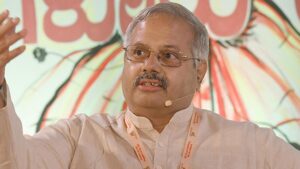
Any type of violence is bad for the society, Rashtriya Swayamsewak Sangh (RSS) national publicity in-charge Sunil Ambekar said on Wednesday (March 19, 2025). On being asked if RSS thinks that Aurangezeb is relevant today and his tomb should be moved, Mr. Ambekar said its not relevant.

The tomb of Mughal emperor Aurangzeb who died 300 years ago which is located in Khuldabad in Maharashtra is under the storm since the Vishwa Hindu Parishad (VHP) and Bajrang Dal, both affiliates of the RSS, had demanded its removal. The demand sparked nationwide protests. After one of such protests that was held in Nagpur on March 17 left the city under communal tension. Curfew has been imposed in the town, which is also the RSS headquarters, and the situation is now under control says police.

Mr. Ambekar, who was addressing a press conference in Bangalore ahead of RSS’s annual executive meeting, the highest decision making body, which is scheduled to take place here from March 21 to 23, said that RSS is set to pass two resolutions in the meeting, one on the atrocities committed against Hindus and other minorities in Bangladesh. The other resolution will be on the success of RSS in 100 years, since 1925 and targets for the years to come.

Sunita Williams Homecoming Live Updates:

Astronauts Sunita Williams and Butch Wilmore, after an unexpected stay at the International Space Station (ISS) for more than nine months, have returned to Earth and splashed down off the coast of the American state of Florida early on Wednesday.

A SpaceX Crew Dragon spaceship carrying the two astronauts, alongside American Nick Hague and Russian cosmonaut Aleksandr Gorbunov, streaked through the atmosphere before deploying parachutes for a gentle splashdown off the Florida coast at 3:27 am IST.

The two astronauts flew to the orbital lab in June last year, on what was supposed to be a days-long roundtrip to test Boeing’s Starliner on its first crewed flight. The spaceship, however, developed propulsion problems and was deemed unfit to fly back and later returned empty.

Here Are Live Updates On Sunita Williams, Butch Wilmore’s Homecoming:

Sunita Williams Joins List Of Astronauts With Longest Space Missions

NASA tracks astronauts with the longest space missions and the most cumulative time spent in space throughout their careers.

President Murmu presents Ramnath Goenka journalism awards

A ground report from Israel and the West Bank as bombs dropped and residents hunkered down; an investigation into medical colleges across Madhya Pradesh that didn’t hold exams for years; the reality of an award-winning athlete’s village that lacked basic civic amenities and the fight of champion wrestlers for justice.

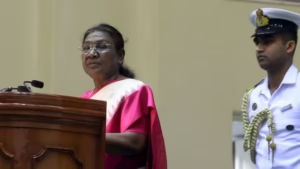
These are some of the stories that have won the Ramnath Goenka Excellence in Journalism Awards 2023, the nation’s most prestigious journalism honour. The winners will receive the awards from President of India Droupadi Murmu who will be Chief Guest at the ceremony in New Delhi Wednesday.

Instituted by the Ramnath Goenka Foundation, the awards acknowledge and honour the best of journalism showcasing 20 outstanding contributions from print, digital and broadcast journalists across 13 categories, including investigative journalism, sports, politics and government, books, feature writing and regional languages.

The jury for the 19th edition of the excellence awards include: Justice B N Srikrishna, former judge at the Supreme Court of India; Prof C Raj Kumar, founding Vice Chancellor, OP Jindal Global University; Prof K G Suresh, former Vice Chancellor, Makhanlal Chaturvedi National University of Journalism & Communication and former Director General, Indian Institute of Mass Communication; Rohini Nilekani, Chairperson, Rohini Nilekani Philanthropies and Co Founder & Director, EkStep; and Dr S Y Quraishi, former Chief Election Commissioner.

“It was difficult to choose the best stories. We try to make sure we are evaluating stories from as many regions and languages as possible. Young journalists should follow these awards to know what makes a good story,” said Quraishi.

The journalists who won faced many challenges in the pursuit of their stories. Suresh said, “There’s a perception that journalism is dead but the Ramnath Goenka awards repeatedly remind us that journalism is vibrant, alive and kicking. I’ve been on the jury for the last few years and am always pleased to see more stories coming from regional media outlets, not just national media outlets.”

“The younger generation is very promising. Their rigour is admirable. These stories involve ground reporting in which they have to go beyond the call of duty. They take risks, expose the mafia, take on the powers that be. That is the essence of journalism,” he said.

In these polarised times, says Suresh, there is a ray of hope for future journalists. “These stories should be printed and distributed in all media schools so students see that they are missing out on real stories happening on the ground level.”

अभिराज राजेंद्र मिश्रा

अभिराज राजेंद्र मिश्रा

अभिराज राजेंद्र मिश्र (जन्म 1943) एक संस्कृत लेखक, कवि, गीतकार, नाटककार और संपूर्णानंद संस्कृत विश्वविद्यालय , वाराणसी के पूर्व कुलपति हैं । 

वह साहित्य और शिक्षा के क्षेत्र में अपने काम के लिए भारत के अत्यधिक प्रतिष्ठित पुरस्कार पद्म श्री 2020 के प्राप्तकर्ता हैं । 

व्यक्तिगत जीवन

उनका जन्म उत्तर प्रदेश के जौनपुर जिले के द्रोणीपुर में पंडित दुर्गाप्रसाद मिश्र और अभिराजी देवी के घर हुआ था। उनके दीक्षा गुरु जगद्गुरु रामभद्राचार्य हैं , जिनके द्वारा 14 जनवरी 2011 को महाकाव्य गीतारामायणम का विमोचन किया गया था। 

आजीविका

उन्होंने हिमाचल प्रदेश विश्वविद्यालय , शिमला में संस्कृत विभाग के प्रमुख के रूप में कार्य किया है । वे इंडोनेशिया के सबसे पुराने विश्वविद्यालय, इंडोनेशिया विश्वविद्यालय में विजिटिंग प्रोफेसर भी रहे हैं ।

अभिराज राजेंद्र मिश्र वर्ष 1988 के संस्कृत साहित्य अकादमी पुरस्कार के विजेता हैं । वे त्रिवेणी कवि के नाम से लोकप्रिय हैं । उन्होंने संस्कृत, हिंदी , अंग्रेजी और भोजपुरी में कई पुस्तकों की रचना की है ।

सेवानिवृत्ति के बाद वे हिमाचल प्रदेश के शिमला में बस गए ।

उनकी कृतियों में शामिल हैं: 

  • इक्षुगंधा
  • अरण्यनि
  • अभिराज-यशोभूषणम्
  • धारा-मांडवियम
  • जानकी-जीवनम्
  • मधुपर्णी
  • संस्कृत साहित्य में अन्योक्तियाँ
  • सप्त धारा
  • कविता और काव्यशास्त्र
  • अभिराज-सहस्रकम
  • नाट्य-पंचगव्यम
  • नाट्य-पंचामृतम्
  • वाग्-वधूति
  • मृद्विका
  • श्रुतिमभरा
  • बाली-द्वीपे भारतीय संस्कृतिः
  • विम्सा-शताब्दी-संस्कृत-काव्यमृतम् 
  • सेजराह केसुस्त्रान संस्कृत (बहासा इंडोनेशिया में संस्कृत का इतिहास)
  • सुवर्ण-द्वीपीय राम-कथा
  • संस्कृत-शतकम्
  • पुरस्कार और सम्मान
  • 1988 में उनकी लघु कहानी संग्रह इक्षुगन्धा के लिए संस्कृत के लिए साहित्य अकादमी पुरस्कार ।
  • 2002 में भारत के राष्ट्रपति से सम्मान प्रमाण पत्र। 
  • वाल्मीकि सम्मान 
  • वाचस्पति सम्मान 
  • उत्तर प्रदेश संस्कृत संस्थान द्वारा विश्व भारती सम्मान 
  • साहित्य अकादमी अनुवाद पुरस्कार 2013. 


The Vedas

The Vedas are the religious texts which inform the religion of Hinduism (also known as Sanatan Dharma meaning “Eternal Order” or “Eternal Path”). The term veda means “knowledge” in that they are thought to contain the fundamental knowledge relating to the underlying cause of, function of, and personal response to existence.

They are considered among the oldest, if not the oldest, religious works in the world. They are commonly referred to as “scripture”, which is accurate in that they can be defined as holy writ concerning the nature of the Divine. Unlike the scriptures of other religions, however, the Vedas are not thought to have been revealed to a certain person or persons at a specific historical moment; they are believed to have always existed and were apprehended by sages in deep meditative states at some point prior to c. 1500 BCE but precisely when is unknown.

The Vedas existed in oral form and were passed down from master to student for generations until they were committed to writing between c. 1500 – c. 500 BCE (the so-called Vedic Period) in India. They were carefully preserved orally as masters would have students memorize them forwards and backwards with emphasis on exact pronunciation in order to keep what was originally heard intact.

The Vedas are therefore regarded as Shruti in Hinduism meaning “what is heard” as contrasted with other texts designated Smritis (“what is remembered”), accounts of great heroes and their struggles in works such as the MahabharataRamayana, and Bhagavad Gita (although some sects of Hinduism regard the Bhagavad Gita as Shruti). The texts which make up the Four Vedas are:

  • Rig Veda
  • Sama Veda
  • Yajur Veda
  • Atharva Veda
  • Each of these is further divided into types of text included within them:
  • Aranyakas – rituals, observances
  • Brahmanas – commentaries on said rituals
  • Samhitas – benedictions, prayers, mantras
  • Upanishads – philosophical narratives and dialogues
  • The Upanishads are the best known and most often read of the Vedas because their discourse is presented in dialogue/narrative form and they were the first to be translated into other languages. The four Vedas, conversely, are considered the literal sounds of the Divine which, when recited or sung, recreate the primal vibrations of the universe. Accordingly, they are actually impossible to translate and what one reads in a translation should be understood as a paraphrase at best.

    Orthodox Hindu denominations recognize the Vedas as a significant spiritual authority but not all Hindu sects follow suit. Reform movements throughout the modern era, beginning in the 19th century CE, place greater value on personal religious experience than scriptural authority and tradition and so some sects, or off-shoots of Hinduism (such as the Brahmos Movement) reject the Vedas entirely as superstition. Even so, the works continue to be recited, studied, and venerated in the present and remain an important part of Hindu religious observances, festivals, and ceremonies.


    Early Origin, Dating, & Development

    No one knows the origin of the Vedas although many scholars and theologians have advanced differing claims on the subject. It is most commonly believed (though by no means universally accepted) that the Vedic vision came to India by way of nomadic Aryan tribes who migrated there from Central Asia sometime around the 3rd millennium BCE. “Aryan” should be understood as it was by the people of the time, meaning “free” or “noble”, a class of people, not a race, and not Caucasian (as was claimed by 18th- and 19th-century CE Western scholars). These Indo-Aryans are thought to have broken off from a larger group which also included the Indo-Iranians who settled in the region of modern-day Iran and came to be known in the West (via the Greeks) as Persians. Similarities between Early Iranian Religion (and later Zoroastrianism) and early Hinduism suggest a common belief system, which then developed separately.

    The Indo-Aryan Migration theory holds that the Vedic vision was developed in Central Asia and brought to India during the decline of the indigenous Harappan Civilization (c. 7000-600 BCE) between c. 2000-1500 BCE, merging that culture‘s beliefs with their own. Another theory, however, known as Out of India (OIT) claims that the Harappan Civilization had already developed this vision and exported it from India to Central Asia from whence it then returned with the migration of the Indo-Aryans.

    There are sound reasons for recognizing the motivation, at least, for either claim (though the OIT is rejected by mainstream academia) and scholars seem to hold to one or the other more for personal reasons than any based on objective, scholarly research. The most reasonable response to the question of the origin and dating of the Vedas is simply that one does not know. The human need to resolve what appears to be mysterious, however, keeps the debate alive in the present day. Scholars Hermann Kulke and Dietmar Rothermund comment briefly on the early development of the dating/origin issue:

    Muller’s work continues to inform the debate in the present day, and his claims are generally considered the most probable or even certain. Wherever the Vedic vision originated, and however long it existed in oral form, it developed in India during the Vedic Period after the arrival of the Indo-Aryans.

Exit mobile version